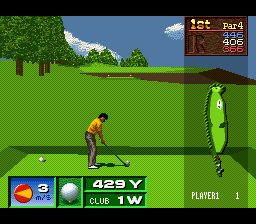
Get in the Hole (Japan)
0 1 0
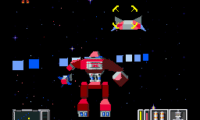
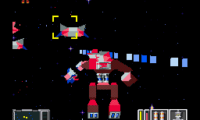
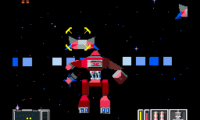
Get in the Hole (Japan) is a classic SNES game that combines puzzle-solving with strategic gameplay. As a product of its time, it features straightforward yet challenging mechanics typical of early 90s titles, along with a distinctive style that makes it stand out from other puzzles of that era. Its simple premise and accessible controls make it easy to pick up, though mastering it can be quite the challenge, appealing to both casual players and those looking for a solid mental workout.
Get in the Hole: Gameplay Overview
The main mechanic involves guiding objects into specific holes on each level. Players move various elements like blocks or barriers to clear a path for the object to reach its goal. The game focuses on spatial reasoning and planning, so thinking ahead is essential to avoid dead ends or stuck situations.
The gameplay revolves around completing levels efficiently, with difficulty gradually increasing as new obstacles and mechanics come into play. The physics are predictable but require careful consideration, especially in tight spaces or when multiple moving parts are involved. Simple directional controls are used to position and interact with objects, making the game accessible but still demanding in puzzle design.
Modes, Levels and Progression
The game features a series of levels that introduce new challenges and mechanics as you go along. While there aren’t multiple modes, the progression steadily ramps up in difficulty, often requiring more complex planning and precise execution. Different levels keep things fresh by presenting varied layouts and obstacles, maintaining engagement through increasing complexity.
Levels are arranged in a linear sequence, but the design offers enough variety to avoid repetition. Completing levels can unlock new stages or mechanics, adding depth to the gameplay. The overall content is modest but well-structured, providing enough challenge to keep players interested without feeling overwhelming.
Winning Strategies
Having a clear plan for each level helps a lot in Get in the Hole. Take time to understand the environment before moving anything, and look for patterns or sequences that can simplify tricky puzzles.
- Try moving blocks and barriers in different ways to find multiple solutions.
- Visualize the entire sequence before making your moves— rushing often leads to dead ends.
- Pay attention to how objects interact with environmental elements, as physics can significantly affect puzzle outcomes.
- If available, use undo or reset options to avoid frustration and learn from mistakes.
- Focus on reducing the number of moves to boost your score and achieve higher rankings.
Common Questions About Get in the Hole
How does the difficulty change as I progress?
The levels become more complex with tougher layouts and new obstacles or mechanics, requiring better planning and spatial awareness.
Are there different modes or just the one set of levels?
The game follows a single sequence of levels, each building on the last, with no separate modes but plenty of variety within the level set.
How long does a typical gaming session last?
It depends on your puzzle-solving skills. Finishing one level might take a few minutes, but playing through multiple levels can extend your session, especially as the challenges get tougher.
Get in the Hole offers a solid puzzle experience for SNES fans, especially those who enjoy logical challenges and strategic thinking. Playing it here grants immediate access to a game that rewards careful planning and patience, making it a nice addition to any collection of retro classics played in a browser.
Related games: you can also try Chibi Maruko-chan – Harikiri 365 Nichi no Maki (Japan) and F1 ROC – Race of Champions (USA), or browse all other games in the SNES category.
How to Play Get in the Hole (Japan)?
Guide objects into holes by moving blocks and barriers to clear a path. Think ahead, plan your moves, and solve increasingly complex puzzles to progress through levels.
Game Controls
Arrow keys move objects; other keys interact or confirm actions.

Comments (0)
No comments yet. Be the first to comment!