Clay Fighter (Europe)
0 3 0
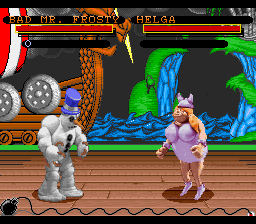
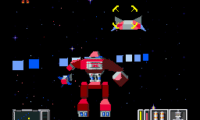
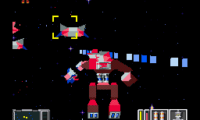
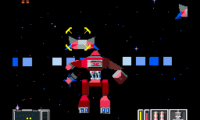
Clay Fighter (Europe) is a quirky fighting game originally released for the SNES, giving the genre a humorous and unconventional twist. Its visuals are inspired by claymation, offering a playful alternative to the more serious fighters from that time. This classic from the SNES era is filled with odd characters, exaggerated animations, and a lighthearted tone that helps it stand out among platform fighters. Thanks to the browser-based emulator, you can try this unusual brawler for free right in your browser—no downloads or setups needed.
Playing Clay Fighter is a change of pace from traditional fighting games. The cartoonish characters are animated with a deliberately rough, stop-motion style that adds a lot of character. The tone is light and funny, with silly sound effects and exaggerated moves that encourage casual play rather than intense competition. Its low-fi, handcrafted look has aged surprisingly well, making it a nostalgic treat for fans of SNES-style graphics. Despite its whimsical appearance, the game offers enough gameplay depth to keep things interesting, especially if you enjoy its unique cast and humorous mechanics.
Why Clay Fighter Is Worth Playing
This SNES classic’s standout feature is its claymation-inspired art style, which makes it different from other fighting games of its time. The characters are exaggerated caricatures, each with their own goofy personality and special moves, so every match feels like an episode of a cartoon. The animations are a bit bumpy, but full of charm, capturing that handmade feel that appeals to both collectors and casual players. The humor, with its bizarre characters and amusing sound effects, adds extra entertainment, making even a quick fight memorable.
On top of the visuals, Clay Fighter’s gameplay keeps things light and fun. The controls are simple enough for players of all skill levels, but there’s enough depth to master timing and combos. Its pacing is relaxed yet engaging, making it good for quick sessions or longer battles. The variety of characters, each with their own moves, ensures no two fights are alike. This playful approach to fighting mechanics, combined with its nostalgic look, makes Clay Fighter a charming option for those looking for a fun, less serious fighting game.
Tips to Get Ahead
Here are some practical tips to help you enjoy your time with Clay Fighter:
- Learn each character’s special moves to take advantage of their strengths in fights.
- Practice timing your attacks and blocks to avoid taking unnecessary damage, especially on higher difficulties.
- Make use of the environment when possible; some stages have hazards or interactable objects.
- Try out different characters to see which one fits your style best.
- Watch your opponent’s patterns and adjust your tactics to stay ahead.
- If you’re just starting out, keep your sessions short—this game’s humor and visuals can make long play sessions a bit tiring.
Things to Know Before You Start
Is Clay Fighter tough for newcomers?
It’s not overly complicated, but timing and reactions are still important, especially at higher difficulty levels.
How long do typical matches last?
Most fights are pretty quick, often just a few minutes, making it suitable for casual play or quick breaks.
Can younger players enjoy it?
The cartoonish humor and silly characters make it suitable for most ages, though some younger players might find the mechanics a bit simple or the humor a little goofy.
Just open up the browser and give Clay Fighter a try. Its quirky characters and amusing style make for a memorable fighting game experience that’s fun to explore, even if only for a few rounds.
Related games: you can also try Apocalypse II (Europe) (Proto) and Ardy Lightfoot (Japan), or browse all other games in the SNES category.
How to Play Clay Fighter (Europe)?
Select your character, then use quick attacks and special moves to deplete your opponent's health bar in one-on-one fights. Practice timing and combos to win matches and unlock new characters.
Game Controls
Arrow keys for movement; action keys for attacks and blocks; start button mapped to a specific key.
Comments (0)
No comments yet. Be the first to comment!