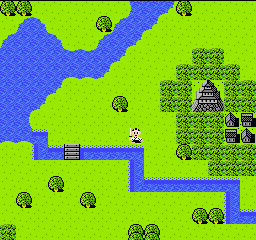
Satomi Hakkenden (Japan)
0 1 1
Satomi Hakkenden (Japan) is a classic NES role-playing game that takes players into a richly detailed, atmospheric world. Its pixel art visuals give off that early 90s console vibe, combining Japanese aesthetic influences with straightforward, nostalgic gameplay. It’s a hidden gem for fans of vintage RPGs, offering a slow-paced but immersive experience that focuses on exploration and story rather than frantic action.
Step Into the World of Satomi Hakkenden
From the moment you start playing, the game’s distinct visual style is clear. The pixel art features detailed character sprites and backgrounds that suggest traditional Japanese scenery and architecture. The sound design complements this with simple, melodic tunes that create a calm, contemplative mood. The atmosphere feels intentional, inviting players to carefully explore quiet towns, mysterious forests, and ancient temples.
While it doesn’t have elaborate sound effects or cinematic sequences, the mood is conveyed through subtle visuals and music. The limited color palette adds to the nostalgic charm, giving a sense of stepping back to an era when RPGs prioritized storytelling and atmosphere. The gameplay runs smoothly on the emulator, making it easy to appreciate its deliberate pacing and quiet beauty without any technical distractions.
How the Gameplay Hooks You
Satomi Hakkenden offers a straightforward RPG experience focused on exploration and character interaction. The pacing encourages patience, with stories uncovering gradually through dialogue and item collection. Progress depends on careful navigation through the game world, making each encounter and discovery feel earned. Its turn-based mechanics and simple interface emphasize strategic decisions over fast-paced action, fitting the slower rhythm of early NES RPGs.
The game’s loop revolves around exploring, talking to NPCs, and solving puzzles, all set in a quiet storytelling environment. Unlike modern titles with quick combat, Satomi Hakkenden’s gameplay emphasizes atmosphere and character development. Short play sessions are possible but may feel incomplete without experiencing its quieter moments, making it well-suited for players who enjoy a slow, reflective game.
Pro Tips for Satomi Hakkenden
Start by exploring towns and talking to NPCs — that’s where most story clues and key items are found.
- Pay attention to item descriptions and hints from NPCs; they often contain important info.
- Save often, especially before entering new areas or boss fights.
- Manage your inventory carefully — carry what’s necessary and organize items for quick access.
- Take your time with puzzles and dialogues; rushing can cause you to miss details.
- Be patient during battles; some enemies are better avoided until you’re stronger or better prepared.
Frequently Asked Questions
Is Satomi Hakkenden good for short gaming sessions?
Yes, its slow pace and focus on exploration make it suitable for casual, shorter playthroughs, especially if you prefer a game that doesn’t demand constant action.
Does the game feel repetitive after a while?
The steady rhythm and emphasis on exploration and dialogue might seem repetitive to some, but it offers a rewarding, atmospheric experience for those willing to take their time.
Can I play the game in languages other than Japanese?
This version is the Japanese release, so understanding Japanese helps. However, the visuals and gameplay are simple enough for players to guess or use translation tools if needed.
Playing Satomi Hakkenden gives a glimpse into early Japanese RPG design, prioritizing atmosphere and storytelling over quick-paced gameplay. Its quiet, thoughtful pacing makes it a distinctive addition to any NES collection of classic role-playing titles.
Related games: you can also try Dragon Warrior (USA) (Rev A) [Hack by Sliver X v1.0Final] (~Dragoon X) and Othello (USA), or browse all other games in the NES category.
How to Play Satomi Hakkenden (Japan)?
Explore towns, forests, and temples, talk to NPCs, collect items, and solve puzzles to uncover the story at a slow, deliberate pace. Focus on exploration and character interaction rather than fast combat.
Game Controls
Arrow keys move your character; Enter or space to select; other keys handle actions and menu options.
You may be interested in:
-
![Zombie Hunter (Japan) [En by KingMike v1.01]](https://www.playf2p.com/wp-content/uploads/zombie-hunter-japan-en-by-kingmike-v1-01-200x120.png) NES
♥ 2
Zombie Hunter (Japan) [En by KingMike v1.01]
NES
♥ 2
Zombie Hunter (Japan) [En by KingMike v1.01] -
 NES
♥ 1
Zombie Hunter (Japan)
NES
♥ 1
Zombie Hunter (Japan) -
 NES
♥ 1
Zoids Mokushiroku (Japan)
NES
♥ 1
Zoids Mokushiroku (Japan) -
 NES
♥ 2
Zoids 2 – Zenebas no Gyakushuu (Japan)
NES
♥ 2
Zoids 2 – Zenebas no Gyakushuu (Japan) -
 NES
♥ 1
Zoids – Chuuou Tairiku no Tatakai (Japan)
NES
♥ 1
Zoids – Chuuou Tairiku no Tatakai (Japan) -
 NES
♥ 11
Zippy Race (Japan)
NES
♥ 11
Zippy Race (Japan) -
 NES
♥ 1
Zhen Ben Xi You Ji (Asia) (Unl)
NES
♥ 1
Zhen Ben Xi You Ji (Asia) (Unl) -
 NES
♥ 1
Zenbei!! Pro Basket (Japan)
NES
♥ 1
Zenbei!! Pro Basket (Japan)
Comments (0)
No comments yet. Be the first to comment!