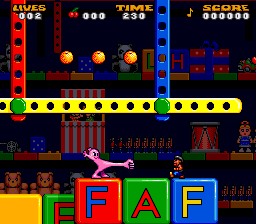
Jelly Boy (Europe)
0 12 0
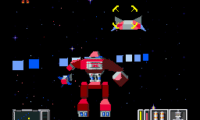
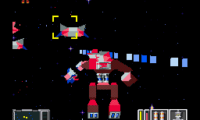
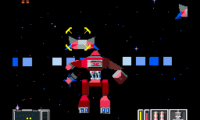
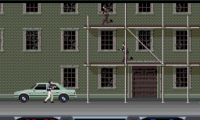
Jelly Boy (Europe) is a platformer from the SNES era, known for its colorful, cartoonish visuals and straightforward gameplay. As a classic from the console, it offers players a lighthearted yet challenging experience focused on precise jumps and timing. Its design reflects an emphasis on accessible mechanics combined with increasing difficulty, making it appealing for nostalgic fans and newcomers interested in retro platformers.
Jelly Boy: Gameplay Overview
Jelly Boy is a side-scrolling platformer where you guide the main character through levels filled with hazards, enemies, and collectibles. The main mechanic involves jumping across platforms and dodging obstacles, requiring good timing and awareness of your surroundings. The controls are simple but take practice, especially as some sections pick up speed or feature more complex enemy patterns.
The game’s progression is about completing levels efficiently while gathering items that can unlock extra content or paths. It doesn’t rely on power-ups or combat mechanics, so the challenge comes from navigating levels without losing health or lives. Learning each stage’s layout, enemy movements, and timing your jumps are key to avoiding setbacks.
Modes, Levels and Progression
The game features a straightforward progression system, with each level designed to test your platforming skills. Levels vary in layout and difficulty, gradually becoming trickier as you move forward. While it’s mainly a single-player experience, the stages are short enough for quick retries, encouraging practice and memorization.
There aren’t multiple modes or branching paths, but the level design offers enough variety to keep things interesting. New challenges pop up in each stage—like tighter timing, moving platforms, or enemy placements—pushing you to improve with each attempt. This setup provides a steady sense of progression with a manageable difficulty curve typical of the SNES era.
Winning Strategies
Getting through Jelly Boy well means mastering jump timing and paying attention to enemy patterns. Patience and familiarizing yourself with each level’s layout help reduce mistakes. Here are some tips:
- Time your jumps carefully to clear gaps and avoid hazards.
- Observe enemy movements before rushing through sections.
- Pick up items when safe; some may lead to shortcuts or hidden spots.
- Use the edges of platforms to your advantage, especially when avoiding enemies or waiting for safe moments.
- Practice tricky sections repeatedly to sharpen your reaction and precision.
- Be cautious around hazards—sometimes slowing down is better than rushing.
Common Questions About Jelly Boy
How does the difficulty change as you go?
The game gradually ramps up in difficulty, with later levels introducing more complex enemy patterns and faster-moving hazards. The challenge grows steadily, rewarding players who learn the stages well.
Are there different modes or difficulty levels?
No, Jelly Boy keeps things simple with a single mode focused on finishing levels. The challenge mainly comes from navigating the stages efficiently rather than managing multiple difficulty settings.
How replayable is the game?
It’s fun to replay levels to beat previous times or scores. Since the stages are short but get harder, players often go back to improve their skills and earn higher scores.
Playing Jelly Boy offers a glimpse of a classic SNES platformer, with charming graphics and gameplay that’s easy to pick up but tough to master. Its focus on precision and patience makes it a satisfying challenge for fans of retro games and newcomers alike. The short, well-crafted levels keep the experience accessible and fun for anyone exploring this SNES gem in your browser.
Related games: you can also try Hyper V-Ball (Europe) and Play 2020 Super Baseball (Japan), or browse all other games in the SNES category.
How to Play Jelly Boy (Europe)?
Guide Jelly Boy through levels by jumping over hazards and enemies, collecting items, and reaching the end without losing lives. Practice timing and memorize level layouts to improve your score.
Game Controls
Arrow keys control movement; jump and action keys handle jumping and interactions.

Comments (0)
No comments yet. Be the first to comment!