Push-Over (USA)
0 1 0
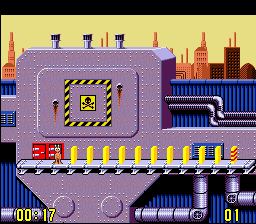
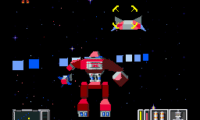
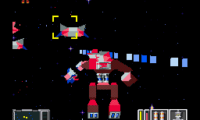
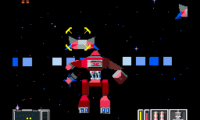
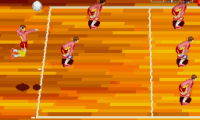
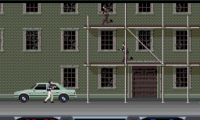
Push-Over (USA) is a classic SNES puzzle-platformer that mixes strategic block pushing with traditional platforming actions. Released during the 16-bit era, it’s known for its inventive puzzle-solving within a platformer setup. Its mechanic of moving blocks to clear paths and solve levels offers a different kind of challenge compared to typical action or puzzle games on the system. The controls are simple, and the level design is smart, making the game accessible but engaging—especially for players who like planning ahead. The colorful sprite art mirrors early 90s SNES visuals, with a charming, cartoonish look that still feels appealing today.
Push-Over: Gameplay Overview
The main idea in Push-Over is pushing blocks into the right spots to open paths or disable dangers. You control a character who can walk, jump, and push blocks up, down, left, or right. Each level is a grid-based puzzle where careful placement of blocks is key to moving forward. Unlike typical platformers, it’s more about planning and spatial awareness than fighting or quick reflexes. The game has a series of levels, each with specific goals to complete before moving on. As you progress, puzzles get trickier, requiring you to think several moves ahead and time your actions carefully to avoid dead ends or hazards.
The design encourages trial and error, letting players test different solutions. Some levels introduce new mechanics, like blocks that can’t be pushed or puzzles that need multiple moves to solve. The interface is straightforward, letting you focus on solving puzzles without distractions. Each level is a self-contained puzzle that provides immediate feedback, so mistakes are easy to recognize and fix.
Modes, Levels and Progression
Push-Over follows a linear path through a series of puzzles, with difficulty gradually increasing. There aren’t different game modes—just a steady stream of levels to beat. Each one is meant to be completed in a single session, with some requiring more creative thinking and precise moves. The variety of puzzles keeps things interesting, from simple block placements to more complex arrangements that need careful planning. Replaying earlier levels can help you improve your speed or discover alternate solutions, giving a bit of replay value.
As you move forward, puzzles often combine multiple mechanics, testing your spatial reasoning and foresight. The difficulty curve stays consistent, but some levels might be frustrating, especially when timing or positioning really matters. The game doesn’t have branching paths or endings; it’s focused on mastering each puzzle. Overall, Push-Over offers a steady challenge that rewards patience and careful thought, making it a good pick for puzzle fans looking for a classic brain teaser on the SNES.
Winning Strategies
Take your time with each puzzle, thinking through the consequences of pushing each block before acting.
- Try to plan several moves ahead to avoid getting stuck.
- Focus on moving blocks that open up the most options first.
- Use the environment, like pushing blocks into corners to limit their movement.
- If you hit a dead end, go back and try a different approach—sometimes undoing a move helps you see better options.
- Don’t rush—careful analysis can make solving puzzles much easier.
- Sometimes blocking your own path temporarily can help trap or reposition blocks more effectively later on.
Common Questions About Push-Over
How does the difficulty change as you go?
Levels start simple and get more challenging, requiring more planning and multi-step solutions as you progress. Early puzzles are straightforward, but later ones demand careful sequencing and foresight.
Are there different game modes or just one set of puzzles?
The game offers a straightforward sequence of levels without extra modes or story branches. Each level builds on the last, with the focus solely on solving puzzles.
How much replay value does it have?
Since some puzzles can be completed in multiple ways, you might go back to earlier levels to improve your solutions or experiment. Trying to optimize your approach adds to the replayability, especially if you’re aiming to master each one efficiently.
Playing Push-Over here gives quick access to this nostalgic puzzle-platformer, keeping its challenging gameplay alive for both newcomers and longtime fans. Its balanced difficulty and clever mechanics continue to make it a satisfying choice for anyone interested in classic SNES titles.
Related games: you can also try Ihatov Monogatari (Japan) and Daisenryaku Expert WWII – War in Europe (Japan), or browse all other games in the SNES category.
How to Play Push-Over (USA)?
Push blocks into correct positions to clear paths and solve puzzles across a series of levels. Plan your moves carefully to avoid dead ends and progress through increasingly challenging levels.
Game Controls
Arrow keys move the character; jump and push are handled with the same action keys.
Comments (0)
No comments yet. Be the first to comment!