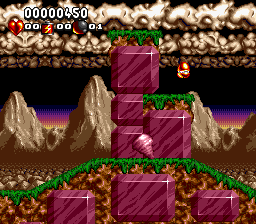
Tinhead (Europe) (Proto)
0 2 0
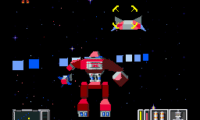
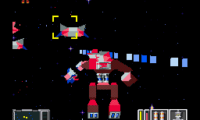
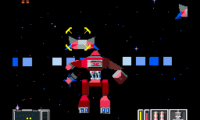
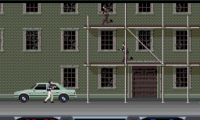
Tinhead (Europe) (Proto) is a platformer from the SNES era that blends classic side-scrolling action with unique character mechanics. This game features a colorful, cartoonish look paired with straightforward gameplay that appeals to fans of early 90s platform titles. Its distinctive design and style set it apart, focusing on precise jumps and timing-based challenges.
Tinhead: Gameplay Overview
The game centers around controlling Tinhead, a small animated character who moves through different levels filled with enemies, obstacles, and collectibles. The main mechanic involves careful jumping and timing, as Tinhead needs to avoid hazards and enemies while gathering items to advance. Unlike many platformers, this one emphasizes thoughtful planning, with players often needing to predict enemy movements and environmental dangers.
The gameplay involves moving through levels by defeating enemies and solving environmental puzzles, with each stage slightly more challenging than the last. The controls are responsive, making jumps and dodges feel deliberate—important for handling tricky sections. While it doesn’t have complex power-ups or combat features, the challenge relies on timing, recognizing patterns, and navigating levels, making progress rewarding as your skills improve.
Modes, Levels and Progression
The game follows a straight path through a series of levels, each with its own theme and visual style. There aren’t multiple game modes, but the variety in level design provides visual and gameplay diversity. You’ll encounter different environments, from outdoor landscapes to more maze-like stages, each requiring different approaches for navigation and avoiding hazards.
The difficulty gradually ramps up, with later levels demanding more precise jumps and quicker reactions. It encourages replay, as players often revisit earlier levels to improve their speed or score. While it doesn’t feature branching paths or hidden levels, the increased challenge offers a satisfying experience for players eager to master the game fully.
Winning Strategies
Focus on timing your jumps well to avoid enemies and obstacles.
- Watch enemy patterns closely before moving through difficult sections.
- Pause briefly to plan your next move in complicated areas.
- Pick up all available items in each level, which can unlock secrets or boost your score.
- Practice tough sections repeatedly to sharpen your reactions.
- Be patient— rushing often leads to mistakes.
Common Questions About Tinhead
How does the difficulty change as you go along?
Levels get tougher with faster enemies and more complex hazards, requiring better timing and planning as you advance.
Are there different modes or extra content?
No, the game is a straightforward sequence of levels. Replayability comes from trying to improve your score or finish faster.
Is Tinhead suitable for players of all ages, and how long does a typical game take?
Its simple controls and cartoonish visuals make it accessible to many, though the rising difficulty can be tough for younger players. Playing through the game usually takes 30 minutes to an hour, depending on skill and how much you explore each stage.
Playing Tinhead on this site gives instant access to a browser-based version of the classic, offering a nostalgic platformer experience without downloads. Its straightforward design and challenging gameplay make it a good choice for fans of vintage SNES titles, especially those who enjoy timing and precision-based challenges. Tinhead remains a satisfying game for players looking for a simple yet demanding platformer from the SNES era.
Related games: you can also try Bishoujo Senshi Sailormoon Super S – Zenin Sanka!! Shuyaku Soudatsusen (Japan) and Combatribes, The (USA), or browse all other games in the SNES category.
How to Play Tinhead (Europe) (Proto)?
Guide Tinhead through levels by jumping carefully to avoid enemies and obstacles, collecting items to progress and improve your score. Timing and pattern recognition are key to overcoming challenges.
Game Controls
Arrow keys control movement; jump and action keys are mapped to on-screen buttons.
Comments (0)
No comments yet. Be the first to comment!