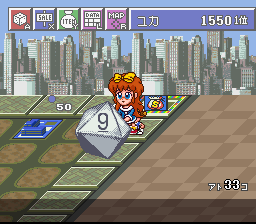
Tower Dream (Japan)
0 1 0
Tower Dream (Japan) is a classic SNES game that blends strategy with trivia and board game elements, creating an engaging experience. As a title from the SNES era, its gameplay is straightforward but challenging, suited for players who enjoy puzzles and careful planning. Since the game originates from Japan, some in-game text might be in Japanese, but the core mechanics are accessible for anyone interested in vintage strategy games.
Getting Into Tower Dream
In Tower Dream, players build and manage a tower by placing blocks or other elements following specific rules. The main idea is to select and position pieces in a way that keeps the tower stable as it climbs higher. Each turn introduces new pieces or challenges, requiring thoughtful placement to avoid collapse or setbacks. Unlike fast-paced action games, this one relies on planning and foresight, turning each session into a kind of puzzle.
The game is designed for single players aiming to reach higher levels or score better. There’s no real-time pressure—just analyze the current situation, choose your next move, and watch how your decisions influence the tower’s growth. Since it combines strategy with trivia and board game elements, players often review their placements or try different approaches to improve. Games are usually short but can stretch into longer sessions if you’re aiming for high scores or perfect towers.
Standout Features
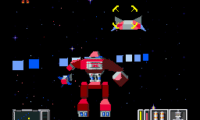
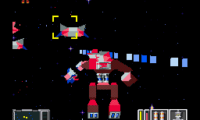
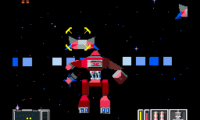
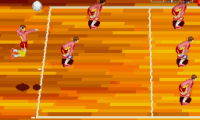
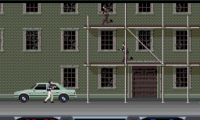
The visuals are typical of its era, with pixel art and simple backgrounds that keep the focus on gameplay. The style is functional, making it easy to see the stability of your tower at a glance. As you progress, the puzzles become more complex, encouraging you to learn new strategies and keep engaged.
Difficulty levels increase gradually, adding more intricate rules that challenge players trying to beat their own high scores. Replay value comes from the different puzzles each time you play, and developing better placement strategies over time is key to improving. The mechanics are straightforward, making it easy to pick up but hard to master, which encourages trying again and experimenting with different tactics.
Strategy and Tips
Thinking ahead helps improve your chances. Focus on keeping your tower balanced instead of rushing to go higher. Think carefully about each placement, especially as the tower gets taller and more unstable.
- Pay attention to the shape and weight of each piece to avoid toppling the tower.
- Plan multiple moves ahead to keep the structure stable.
- Watch the overall layout to prevent weak spots from forming.
- If you get stuck, try a different placement rather than forcing a move that might cause it to fall.
- Take a moment to step back and look at your tower after setbacks for a fresh perspective.
- Patience helps; rushing can cause mistakes, especially at higher levels where errors are costly.
Quick Questions
How do I start playing without any setup?
The game runs right in your browser here, so no downloads or installations are needed. Just load the page and start building your tower.
What’s a common mistake beginners make?
Many rush their placements without considering stability, which often leads to early collapses. Taking your time with each move helps avoid that.
Can I play Tower Dream on mobile or touch devices?
Since it works in your browser and was designed with SNES controls in mind, it might be less responsive on touch screens. Still, with patience, it should work on mobile browsers that support the game.
Building a tower in this classic SNES game takes patience and some strategic thinking. Once you get the hang of it, Tower Dream offers a satisfying challenge that keeps you coming back to beat your best scores.
Related games: you can also try Exhaust Heat (Japan) and Super Mahjong 2 – Honkaku 4 Nin Uchi (Japan) (Rev A), or browse all other games in the SNES category.
How to Play Tower Dream (Japan)?
Build and place blocks carefully to keep your tower stable while climbing higher. Plan your moves to avoid collapse and improve your score with each attempt.
Game Controls
Arrow keys for movement and placement; spacebar to confirm placement.
Comments (0)
No comments yet. Be the first to comment!