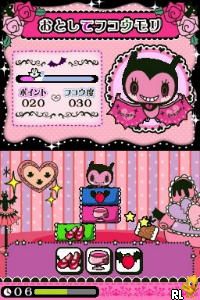
Fukoumori – Molily no Unhappy Project (Japan)
0 1 0
Fukoumori – Molily no Unhappy Project (Japan) stands out among Nintendo DS titles by mixing simulation and adventure with a quirky story. As a game designed for the handheld, it offers a different kind of experience, with gameplay centered on storytelling and character interactions. Since it’s a Japanese release, players unfamiliar with the language might find some parts challenging, adding a layer of complexity. Its unconventional approach to how stories unfold and mechanics makes it a memorable example from the DS era.
Fukoumori – Molily no Unhappy Project: Gameplay Overview
The main gameplay involves taking care of the daily lives and feelings of its characters through interactive moments. Players make choices that shape the story and how characters relate to each other, using the DS’s touch screen. Each decision can lead to different paths, creating a story that branches out in various directions. The game encourages understanding the characters’ backgrounds and motivations, often through dialogue and simple mini-games that support the story.
Instead of focusing on action or puzzles, Fukoumori – Molily no Unhappy Project emphasizes storytelling and character growth. The gameplay involves talking with characters, choosing dialogue options, and completing small tasks to move the story forward. The two screens of the DS offer a layered visual experience, with text on one side and character sprites or backgrounds on the other. The pacing is slow and thoughtful, making it more suited for players who enjoy stories and character-driven moments rather than fast-paced action.
Modes, Levels and Progression
The game follows a straight line through its story, with choices that can change the direction. While there aren’t traditional levels, there are multiple scenarios and endings based on player decisions. Replayability comes from trying different choices to see how the story can change. The focus on character relationships and the effects of choices means players may want to revisit the game to explore alternate endings. The depth of the game lies in understanding characters and seeing how decisions influence emotional outcomes.
The content isn’t very extensive, with a few scenarios that develop over the course of playing. Since it’s similar to a visual novel, the length varies—some routes might take less than an hour, while exploring all endings can take longer. The game isn’t about getting harder but about uncovering story layers, making it appealing to those who enjoy narrative complexity and replay value through branching choices.
Winning Strategies
Pay close attention to dialogue choices, as they can steer the story in different directions. Try different responses to see how relationships change, and consider saving before big decisions so you can explore other options later. Keep an eye on character backgrounds and hints during conversations—they can guide your choices. Balancing emotional and logical considerations can help you reach more favorable endings. Using multiple save slots makes it easier to revisit decisions without losing progress. Patience and curiosity often help uncover all the story routes and secrets hidden within the game.
- Note key decisions and their results to understand which choices lead to preferred endings.
- Explore all dialogue options to get the most out of the story and find hidden content.
- Revisit previous decision points with different responses to unlock new story paths.
- Watch for character cues and background details for clues on fostering good relationships.
- Use multiple save files to try different choices without starting over each time.
- Enjoy the slow, story-rich experience without rushing, as it makes discovery more rewarding.
Common Questions About Fukoumori – Molily no Unhappy Project
How does the game’s difficulty change as you play?
It doesn’t have traditional difficulty; instead, the challenge is exploring all the story paths and endings, which involves replaying and trying different choices.
Are there multiple modes or just one story route?
The game mainly features a single story with branching choices that lead to different endings, but no separate modes or gameplay types.
How much replay value does it offer?
There’s a good amount of replay value for those interested in exploring different outcomes and character relationships. Making different choices can unlock new scenes and endings, keeping the experience fresh.
Fukoumori – Molily no Unhappy Project offers a niche but engaging experience for anyone who enjoys stories with meaningful choices. Its focus on character interactions and storytelling makes it a memorable part of the Nintendo DS lineup, especially now that you can play it right in your browser.
Related games: you can also try Bokujou Monogatari – Colobockle Station (Japan) (Rev 2) and Dropcast (Europe) (En,Fr,De,Es), or browse all other games in the Nintendo DS category.
How to Play Fukoumori – Molily no Unhappy Project (Japan)?
Read dialogues, choose responses, and complete small tasks to guide characters through their stories and unlock different endings based on your decisions.
Game Controls
Arrow keys navigate; Enter selects; other keys handle interaction and options.
You may be interested in:
-
 Nintendo DS
♥ 1
Casper’s Scare School – Classroom Capers (USA)
Nintendo DS
♥ 1
Casper’s Scare School – Classroom Capers (USA) -
 Nintendo DS
♥ 1
Zunou Nouryoku Koujou Machine – Touch de Zunoo DS (Japan)
Nintendo DS
♥ 1
Zunou Nouryoku Koujou Machine – Touch de Zunoo DS (Japan) -
 Nintendo DS
♥ 1
Zunou ni Asekaku Game Series! Vol. 1 – Cool 104 Joker & Setline (Japan)
Nintendo DS
♥ 1
Zunou ni Asekaku Game Series! Vol. 1 – Cool 104 Joker & Setline (Japan) -
 Nintendo DS
♥ 9
Zuma’s Revenge (USA)
Nintendo DS
♥ 9
Zuma’s Revenge (USA) -
 Nintendo DS
♥ 1
Zubo (USA) (En,Fr,Es)
Nintendo DS
♥ 1
Zubo (USA) (En,Fr,Es) -
 Nintendo DS
♥ 1
Zubo (Europe) (En,Fr,De,Es,It,Nl,Sv)
Nintendo DS
♥ 1
Zubo (Europe) (En,Fr,De,Es,It,Nl,Sv) -
 Nintendo DS
♥ 1
Zorro – Quest for Justice (USA) (En,Fr,De,Es,It)
Nintendo DS
♥ 1
Zorro – Quest for Justice (USA) (En,Fr,De,Es,It) -
 Nintendo DS
♥ 1
Zorro – Quest for Justice (Europe) (En,Fr,De,Es,It)
Nintendo DS
♥ 1
Zorro – Quest for Justice (Europe) (En,Fr,De,Es,It)
Comments (0)
No comments yet. Be the first to comment!