Mystery P.I. – Portrait of a Thief (USA)
0 1 0
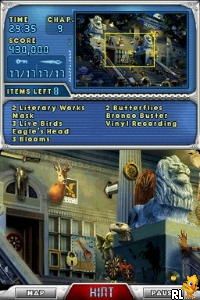
Mystery P.I. – Portrait of a Thief (USA) is a classic Nintendo DS game that invites players to step into the shoes of a detective solving a series of art thefts. Designed for fans of puzzle-solving and mystery stories, this game combines point-and-click mechanics with a compelling storyline. If you enjoy uncovering clues, analyzing evidence, and piecing together stories from visual puzzles, this game offers a satisfying experience that plays well in your browser without any downloads needed.
Getting Into Mystery P.I. – Portrait of a Thief
The main gameplay involves investigating different scenes connected to a theft, examining items, and solving puzzles to find the culprit. You interact with the environment using simple touch or mouse controls, selecting objects and clues to gather information. Sessions usually involve exploring multiple locations, connecting evidence, and answering questions that move the story forward. The game is divided into several cases, each with unique visuals and puzzles to solve.
This Nintendo DS classic encourages careful observation and logical thinking, with gameplay that is straightforward but can sometimes be tricky. The game progresses by solving puzzles within each scene, which might include finding hidden objects or deciphering clues. It’s made for short bursts of play, so it’s perfect if you want to focus on one case at a time. The interface is clear, guiding players through the investigation with simple prompts and visual cues.
Standout Features
The visuals capture the style of the Nintendo DS era, showing colorful, cartoon-like scenes that make investigations visually appealing. Each scene has enough detail to reward close inspection, encouraging players to look for missed clues or alternative ways to solve puzzles. To move forward, you complete each case to unlock the next, giving a sense of progress without too much complexity.
Replayability comes from trying different approaches to puzzles or revisiting scenes to find hidden objects you might have missed. The episodic format means players can enjoy each case separately, with enough variety in locations and puzzles to keep things interesting. Since it’s a point-and-click adventure, you can easily pick up and play in short sessions, making it accessible for anyone wanting to solve more mysteries later on.
Strategy and Tips
Explore every part of each scene before moving on. Collect all items you find, as they may be useful later.
- Pay attention to details; clues can be hidden in plain sight.
- If you get stuck, go back to previous scenes and check if you missed something.
- Keep track of clues and evidence to help connect everything later.
- Don’t rush puzzles—careful inspection often reveals subtle hints.
- Use elimination to narrow down suspects or options.
Quick Questions
How do I start a new case in Mystery P.I. – Portrait of a Thief?
Just select the next case from the main menu; each one starts with an intro scene and instructions.
What if I overlook a clue and get stuck?
Go back to earlier scenes and examine everything again; clues can be subtle or hidden.
Can I play this game comfortably on a mobile device or touch screen?
Yes, since it runs in your browser with touch controls, it works smoothly on smartphones and tablets.
Mystery P.I. – Portrait of a Thief offers a straightforward detective adventure with visual puzzles and investigation mechanics that are easy to pick up and enjoy. Its episodic format and clean design make it perfect for casual play in your browser, providing a nostalgic yet engaging mystery-solving experience you can return to anytime.
Related games: you can also try Hotel Deluxe (Netherlands) and Katekyoo Hitman Reborn! DS – Mafia Daishuugou! – Vongola Festival!! (Japan), or browse all other games in the Nintendo DS category.
How to Play Mystery P.I. – Portrait of a Thief (USA)?
Explore scenes, find clues, and solve puzzles to catch the thief. Investigate objects and connect evidence to progress through each case.
Game Controls
Use the keyboard to move, select, and interact with objects, similar to point-and-click mechanics.
You may be interested in:
-
 Nintendo DS
♥ 1
Casper’s Scare School – Classroom Capers (USA)
Nintendo DS
♥ 1
Casper’s Scare School – Classroom Capers (USA) -
 Nintendo DS
♥ 1
Zunou Nouryoku Koujou Machine – Touch de Zunoo DS (Japan)
Nintendo DS
♥ 1
Zunou Nouryoku Koujou Machine – Touch de Zunoo DS (Japan) -
 Nintendo DS
♥ 1
Zunou ni Asekaku Game Series! Vol. 1 – Cool 104 Joker & Setline (Japan)
Nintendo DS
♥ 1
Zunou ni Asekaku Game Series! Vol. 1 – Cool 104 Joker & Setline (Japan) -
 Nintendo DS
♥ 9
Zuma’s Revenge (USA)
Nintendo DS
♥ 9
Zuma’s Revenge (USA) -
 Nintendo DS
♥ 1
Zubo (USA) (En,Fr,Es)
Nintendo DS
♥ 1
Zubo (USA) (En,Fr,Es) -
 Nintendo DS
♥ 1
Zubo (Europe) (En,Fr,De,Es,It,Nl,Sv)
Nintendo DS
♥ 1
Zubo (Europe) (En,Fr,De,Es,It,Nl,Sv) -
 Nintendo DS
♥ 1
Zorro – Quest for Justice (USA) (En,Fr,De,Es,It)
Nintendo DS
♥ 1
Zorro – Quest for Justice (USA) (En,Fr,De,Es,It) -
 Nintendo DS
♥ 1
Zorro – Quest for Justice (Europe) (En,Fr,De,Es,It)
Nintendo DS
♥ 1
Zorro – Quest for Justice (Europe) (En,Fr,De,Es,It)
Comments (0)
No comments yet. Be the first to comment!