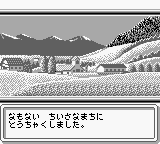
Go! Go! Hitchhike (Japan)
0 1 0
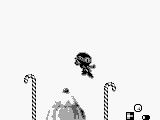
Go! Go! Hitchhike (Japan) is a classic Game Boy strategy game that emphasizes planning and decision-making within a simple, pixelated environment. The graphics are minimal, but the gameplay focuses on moving characters wisely and managing resources, which makes it appealing to puzzle and strategy fans. As a vintage release, it offers a nostalgic feel for those interested in the era’s straightforward yet thoughtful design.
Go! Go! Hitchhike: Gameplay Overview
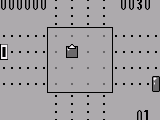
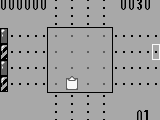
This game revolves around guiding a character through various levels by choosing the best routes and timing your moves. You navigate through tiles or sections, making careful choices to avoid running out of resources or getting stuck. Success depends on thinking ahead, considering obstacles and the environment layout, which calls for planning and strategic foresight.
Every move influences what options are available next, encouraging players to anticipate potential dead ends or traps. The interface is simple, with gameplay centered on selecting the right path at each step. Because it’s puzzle-like, players often analyze levels closely, as trial-and-error can be costly, and progress depends on thoughtful planning rather than quick reactions.
Modes, Levels and Progression
The game features a series of levels, each with its own layout and challenges. Progression tends to be linear, with difficulty increasing as you go, adding more obstacles or requiring more complex route decisions. Different levels push players to develop varied strategies, and some may have specific goals or restrictions that raise the challenge.
While there aren’t multiple modes like multiplayer or timed challenges, the game’s depth comes from the variety of levels and the strategic approach needed to complete them. Replayability comes from trying different routes or strategies to finish levels more efficiently, encouraging players to improve their solutions over time.
Winning Strategies
Getting through the game involves choosing your routes carefully and managing resources well. Planning several moves ahead helps avoid dead ends and minimizes trial-and-error. Timing your moves to dodge obstacles or enemies (if they appear) is also key. It’s helpful to understand each level’s layout before making significant moves.
- Take a moment to observe the entire level, spotting traps or bottlenecks.
- Think ahead multiple steps instead of reacting on the fly.
- Look for safe zones or shortcuts that can speed up your progress.
- Break your approach into stages, aiming to reach key points efficiently.
- Patience pays off—rushing can lead to mistakes.
- Use trial-and-error in less critical sections to refine your strategy for next time.
Common Questions About Go! Go! Hitchhike
How does the difficulty change as I progress?
The game gets tougher with more complex level designs and additional obstacles, requiring better planning and patience. Early levels act as tutorials, while later ones demand precise choices and resource management.
Are there different game modes?
This game offers a single-player experience centered on completing levels. There are no alternative modes, but the variety of challenges keeps it engaging.
How long does it usually take to finish a run?
It depends on your familiarity and skill, but most play sessions last around 15 to 30 minutes. Trying different routes and strategies can help improve your times and make replaying more interesting.
This Game Boy classic runs right in your browser, with no downloads or installations needed. If you enjoy puzzles that test your planning skills, go! go! hitchhike provides a straightforward yet rewarding challenge rooted in classic handheld gaming.
Related games: you can also try Battletoads in Ragnarok's World (USA) and Bo Jackson 2 Games in 1 – Hit and Run! (USA), or browse all other games in the Game Boy category.
How to Play Go! Go! Hitchhike (Japan)?
Guide your character through levels by choosing the best routes and timing your moves carefully to avoid obstacles and dead ends, planning ahead to complete each stage efficiently.
Game Controls
Arrow keys control movement; other keys handle actions like selecting routes and confirming choices.




Comments (0)
No comments yet. Be the first to comment!