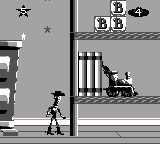
Toy Story (USA) (Rev A)
0 1 0
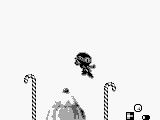
Toy Story (USA) (Rev A) is a classic Game Boy game that mixes several genres, including action, driving/racing, educational, fighting, platformer, and adventure. Its variety of gameplay elements offers a layered experience within the familiar handheld console style from the early 1990s. The game stands out for its diversity, challenging players to switch between different play styles while moving through scenarios inspired by the beloved Pixar film. As a Game Boy title, it offers a nostalgic look back at monochrome handheld gaming, now playable directly in your browser without extra software or downloads.
Toy Story: Gameplay Overview
The main gameplay involves action sequences, platform challenges, and simple racing or driving parts. The game focuses on completing specific objectives, which might include jumping between platforms, avoiding obstacles, or racing against the clock. It encourages quick adaptation to different mechanics, switching from fighting enemies in side-scrolling sections to navigating toy environments in driving mode. Educational elements are subtly woven in, often emphasizing problem-solving or recognizing patterns, all in a lighthearted tone. The controls are straightforward, with basic directional inputs and limited buttons, making it easy to pick up but still offering enough depth for skillful play.
Each segment contributes to a larger progression, where players unlock new levels or challenges by completing objectives. The difficulty increases gradually, requiring players to master the controls and timing to handle more complex scenarios. The variety in gameplay keeps things interesting, urging players to try different approaches and improve their performance. Combining action, puzzle-solving, and racing creates a dynamic loop that appeals to a broad range of players, especially those who enjoy the mix of genres it offers.
Modes, Levels and Progression
Toy Story features a series of levels that grow more complex and demanding, with progression based on completing tasks within each stage. The game doesn’t follow a branching story but presents different scenarios that test various skills, from jumping puzzles to timed races. Each level offers a unique environment inspired by the toy universe, with visual and gameplay differences to keep things fresh. As players move forward, obstacles become tougher and segments faster-paced, demanding better timing and strategic thinking. The design encourages repeated play, whether to beat previous scores or uncover hidden challenges.
While it doesn’t have multiple game modes, the variety of gameplay styles within the levels adds a good deal of diversity. Finishing all levels offers a sense of achievement, but the game also pushes players to improve their skills and score higher. Progress depends more on mastering skills than unlocking content, making each attempt a chance to refine techniques and choose better routes. This setup reflects the typical design of its era, focusing on skill development and replayability through increasing difficulty and varied mechanics.
Winning Strategies
Staying consistent with your control of the character is key across all gameplay styles. Take time to understand each level’s mechanics before rushing through. Careful timing of jumps and actions reduces mistakes and saves time. Pay attention to visual or audio cues, which often signal when obstacles are coming or when to make a racing move. Learning level layouts through trial and error helps develop efficient routes and strategies for faster completion. Managing resources like power-ups or special moves, if available, can give you an edge in tougher sections. Replaying levels to improve your performance can often lead to better scores and smoother gameplay.
- Observe enemy movements and obstacle patterns to anticipate actions.
- Practice each gameplay style separately to build versatility and mastery.
- Use quick reflexes and precise timing to navigate tricky parts efficiently.
- Focus on completing levels with fewer errors to earn better scores and rewards.
- Look for shortcuts or safer routes to reduce risks and finish faster.
Common Questions About Toy Story
How does the difficulty change as you go?
The challenge increases as levels get harder, with faster enemies, more obstacles, and tighter time limits. The early levels act as tutorials, easing players into the mechanics before things get tougher.
Are there different game modes or just one campaign?
The game mainly offers a series of levels with different gameplay styles. It doesn’t have multiple modes but keeps things interesting with the variety of challenges within levels.
How replayable is Toy Story?
Trying to beat high scores or improve timing gives the game lasting appeal. The increasing difficulty encourages players to get better, and completing all objectives within each level offers extra motivation to keep playing.
This game captures the fun of toy adventures, blending genres into a cohesive experience. It offers enough depth and variety to satisfy fans of action, platforming, and racing, making it a solid choice for your browser-based game collection.
Related games: you can also try Tenchi o Kurau (Japan) and GBKiss Mini Games (Japan), or browse all other games in the Game Boy category.
How to Play Toy Story (USA) (Rev A)?
Complete levels by jumping, racing, and solving puzzles, switching between different gameplay styles to overcome obstacles and reach the end of each stage.
Game Controls
Arrow keys control movement; action buttons are mapped to other keys for jumping, racing, and fighting.




Comments (0)
No comments yet. Be the first to comment!