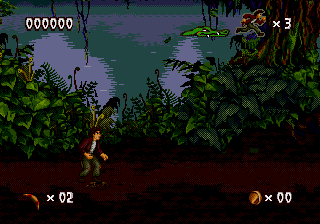
Pitfall – The Mayan Adventure
0 3 0
Pitfall – The Mayan Adventure is a classic Sega CD action-adventure platformer that offers a side-scrolling experience filled with exploration, obstacle navigation, and puzzle-solving. Originally released for the Sega CD, it stands out among early CD-based titles for its cinematic presentation and detailed environments. This game provides a nostalgic look back at the time when full-motion video and digitized graphics started to influence platform games, making it a favorite for fans of retro Sega systems.
Pitfall – The Mayan Adventure: Gameplay Overview
The game puts players in the shoes of a daring explorer moving through various Mayan-themed settings. The gameplay focuses on running, jumping, and dodging hazards like spikes, pitfalls, and enemies. Timing and spatial awareness are key as players work through levels that get more challenging. The controls are simple, so reactions need to be quick, especially when enemies or obstacles appear unexpectedly.
More than just jumping, Pitfall – The Mayan Adventure includes puzzles that require interacting with the environment. You might need to activate switches, find hidden paths, or gather items to move forward. The game encourages exploration, rewarding players who carefully search each level for secrets and alternative routes. Its cinematic style is enhanced by animated sequences and digitized scenes, which added visual storytelling to the platforming action during the Sega CD era.
Modes, Levels and Progression
The game moves through a series of levels, each themed around different aspects of Mayan culture and architecture. While it’s mainly a single-player experience, the level design offers enough variety to keep things interesting. As you progress, the difficulty increases with more complicated obstacles and faster enemies, demanding better timing and strategic movement.
Levels feature multiple paths and hidden areas to explore. The game doesn’t have branching storylines or difficulty settings, but it offers a consistent challenge that grows with your skill. Completing levels unlocks new environments, some of which hide secrets that can extend gameplay and encourage replay. It’s a straightforward yet engaging platformer focused on skill rather than story choices.
Winning Strategies
To do well, spend time learning enemy patterns and hazards early on. Patience and good timing are crucial for avoiding traps that can end your game quickly.
- Explore every corner to find hidden passages and useful items.
- Practice your jumps to avoid falling or getting hit.
- Use the environment—lure enemies into hazards or wait for the right moment to move forward.
- Some obstacles can be bypassed by choosing different routes; experimenting helps find the safest options.
- Keep an eye out for power-ups or items that give you extra lives or boost your abilities.
Common Questions About Pitfall – The Mayan Adventure
Does the difficulty ramp up a lot as I go?
Yes, later levels tend to have faster enemies and trickier hazards, making the challenge more intense.
Are there different modes or types of levels?
The game progresses linearly through themed levels, with some hidden areas and secrets, but no separate difficulty modes or branching paths.
How much replay value is there?
Replaying can be rewarding for players who want to find all secrets, improve their timing, or beat their best completion times.
Playing Pitfall – The Mayan Adventure here gives you a chance to experience a well-preserved piece of Sega CD history. Its simple yet challenging gameplay makes it appealing for fans of vintage platformers. With its digitized scenes and classic design, it offers a unique look at gaming from the early CD era.
Related games: you can also try Play Adventures of Batman & Robin, The and Bill Walsh College Football, or browse all other games in the Sega CD category.
How to Play Pitfall – The Mayan Adventure?
Run, jump, and dodge hazards through Mayan-themed levels, solving puzzles and exploring to find secrets while avoiding enemies and traps to progress.
Game Controls
Arrow keys move your character; action buttons perform jumps and interactions.




Comments (0)
No comments yet. Be the first to comment!