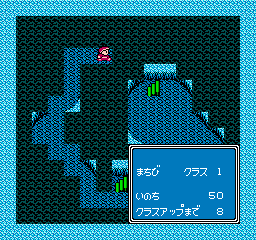
Dream Master (Japan)
0 1 0
Dream Master (Japan) is a classic NES action, adventure, and platformer game that mixes exploration with simple gameplay mechanics. It offers a nostalgic feel grounded in the 8-bit console’s design, focusing on precise jumps, recognizing enemy patterns, and moving through levels. Its emphasis on platforming challenges and adventure elements creates a balanced experience for fans of early console gaming.
Dream Master: Gameplay Overview
In Dream Master, players control a character moving through various levels filled with obstacles, enemies, and platforms. The main idea is to time jumps well and avoid hazards while making progress. Recognizing enemy patterns is key, as foes follow predictable routes, and environmental dangers require careful planning. The game combines action and exploration, encouraging deliberate movement rather than frantic button-mashing.
Movement mainly involves jumping and basic navigation. Success depends on mastering jump timing and enemy patterns. While it doesn’t have complex combat or power-ups, the challenge comes from navigating tougher levels without getting hit or falling. Repeated attempts help players get better, memorize level layouts, and improve their skills to go further.
Modes, Levels and Progression
Dream Master features a series of levels that get harder as you go along. Each stage has its own layout, with different platform setups, enemy placements, and environmental challenges. The exact number of levels isn’t specified, but finishing stages unlocks the next ones, giving a sense of progress.
The variety in level design keeps things interesting, with different visual themes and obstacles. This variety requires players to adapt and think carefully about their movements to avoid dangers. The game’s linear setup means you move from one stage to the next, but the increasing difficulty and level complexity make replaying worthwhile for those wanting to improve.
Winning Strategies
Try to memorize enemy routes and environmental dangers to time your jumps. Patience pays off, especially in later levels where timing is crucial. Use the environment to your advantage—wait for enemies to move past before proceeding.
- Practice jump timing to avoid falling or getting hit.
- Watch enemy movements and wait for safe moments to move forward.
- Take your time to analyze each stage before rushing ahead.
- Learn the layout of each level to anticipate hazards and plan your route.
- Stay aware of your surroundings to avoid unnecessary risks.
- Repeated tries will help you remember level layouts and enemy patterns.
Common Questions About Dream Master
How does difficulty progress in Dream Master?
The game gets tougher as you go, with faster enemies and more complex platforms, requiring better timing and memorization.
Are there different modes or variations within the game?
Dream Master follows a straightforward path; the challenge comes from increasing difficulty and level design, pushing players to sharpen their skills.
How much replay value does Dream Master offer?
Since levels get harder and require memorization, players might find themselves coming back to improve scores and finish later stages—especially if they enjoy mastering classic platformers.
Playing Dream Master here gives you a straightforward browser-based experience, so you can enjoy this NES adventure without any downloads or setups. Its simple design and challenging gameplay make it a good pick for fans of retro action and platforming, offering a clear look at how NES games were made to test your skills and patience.
Related games: you can also try Akumajou Densetsu (Japan) [En by Vice v1.0] (~Legend of Demon Castle – Castlevania III) and Dragon's Lair (Europe), or browse all other games in the NES category.
How to Play Dream Master (Japan)?
Move through levels by jumping over obstacles and enemies, memorize enemy paths, and time your jumps carefully to progress without getting hit or falling. Explore each stage to reach the next and improve your skills.
Game Controls
Arrow keys act as the D-pad; Enter is Start; on-screen mapped keys handle the action buttons.
You may be interested in:
-
![Zombie Hunter (Japan) [En by KingMike v1.01]](https://www.playf2p.com/wp-content/uploads/zombie-hunter-japan-en-by-kingmike-v1-01-200x120.png) NES
♥ 2
Zombie Hunter (Japan) [En by KingMike v1.01]
NES
♥ 2
Zombie Hunter (Japan) [En by KingMike v1.01] -
 NES
♥ 1
Zombie Hunter (Japan)
NES
♥ 1
Zombie Hunter (Japan) -
 NES
♥ 1
Zoids Mokushiroku (Japan)
NES
♥ 1
Zoids Mokushiroku (Japan) -
 NES
♥ 2
Zoids 2 – Zenebas no Gyakushuu (Japan)
NES
♥ 2
Zoids 2 – Zenebas no Gyakushuu (Japan) -
 NES
♥ 1
Zoids – Chuuou Tairiku no Tatakai (Japan)
NES
♥ 1
Zoids – Chuuou Tairiku no Tatakai (Japan) -
 NES
♥ 11
Zippy Race (Japan)
NES
♥ 11
Zippy Race (Japan) -
 NES
♥ 1
Zhen Ben Xi You Ji (Asia) (Unl)
NES
♥ 1
Zhen Ben Xi You Ji (Asia) (Unl) -
 NES
♥ 1
Zenbei!! Pro Basket (Japan)
NES
♥ 1
Zenbei!! Pro Basket (Japan)
Comments (0)
No comments yet. Be the first to comment!