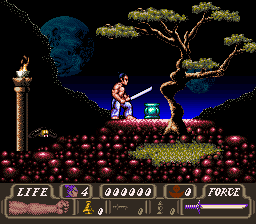
First Samurai (USA)
0 3 1
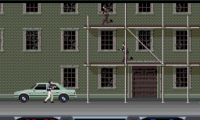
First Samurai (USA) is a classic SNES action-platformer that mixes fast-paced combat with tight platforming. Originally released during the SNES era, it’s known for its challenging gameplay and smooth sprite-based graphics, offering a nostalgic but demanding experience. The game emphasizes timing, reflexes, and strategic use of attack and defense, making it a memorable entry among titles that combine combat with platforming mechanics.
First Samurai: Gameplay Overview
The main idea of First Samurai involves controlling a lone warrior moving through levels filled with enemies, traps, and platforming challenges. Players need to balance offensive and defensive moves, carefully timing attacks and blocks to survive. It’s a blend of jumping, running, and swordplay, requiring quick thinking and precise reactions to enemy attacks and environmental dangers.
The combat system is simple but needs skill to master. Swing your sword to defeat foes or block incoming attacks, with timing being crucial to avoid getting hit. The platforming parts test your agility, requiring accurate jumps and maneuvering across moving platforms, spikes, and other hazards. Success comes from understanding the rhythm of attacking and jumping, making each level a test of reflexes and strategic thinking.
Modes, Levels and Progression
First Samurai takes you through a series of levels that get tougher as you go. Each stage has a different layout, with varying enemy positions, traps, and platforms, so you need to stay adaptable. There aren’t different game modes, but it’s designed around a single playthrough that encourages mastering its mechanics.
The levels challenge both your platforming and combat skills, often combining them quickly. As you progress, enemies become more aggressive and hazards more complicated, so timing and resource management are key. While there aren’t branching paths or unlockable modes, the level design ensures a steady increase in difficulty, keeping things engaging for players aiming for high scores or quick finishes.
Winning Strategies
Doing well in First Samurai depends on good timing and understanding enemy patterns. Patience and observation help avoid unnecessary damage. Use blocks and attacks wisely to counter enemies and create openings for strikes.
- Practice your jumps to move smoothly across platforms and avoid hazards.
- Take out enemies quickly to prevent getting overwhelmed in tight spots.
- Learn each level’s layout to anticipate dangers and plan your route.
- Save health and resources for the tougher stages ahead.
- Use safe zones or wait for enemies to attack first, then counterattack during their recovery.
Common Questions About First Samurai
How does the difficulty change as you go?
The challenge gradually ramps up, with enemies becoming more aggressive and traps more complex, requiring better timing and planning.
Are there different modes or difficulty levels?
Primarily, it offers a single campaign that gets harder as you go. There aren’t separate modes or adjustable difficulties.
How much replay value does it have?
While the game follows a set path, players often replay levels to improve scores or finish faster, especially for those who want to master it or aim for high scores.
Playing First Samurai offers a tough but rewarding challenge rooted in precise platforming and combat. Its straightforward mechanics and increasing difficulty make it a hit for fans of the genre. This game remains a solid example of SNES-era design and gameplay, providing a fair but tough test for those seeking a real retro experience, all playable free in your browser.
Related games: you can also try F-1 Grand Prix – Part II (Japan) and Dragon Ball Z – Super Butouden (France), or browse all other games in the SNES category.
How to Play First Samurai (USA)?
Move your character, jump across platforms, and attack enemies to survive each level. Use timing to block, strike, and avoid hazards while progressing through increasing difficulty stages.
Game Controls
Arrow keys control movement; attack and jump are mapped to specific keys.
Comments (0)
No comments yet. Be the first to comment!