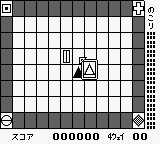
Ishido – The Way of Stones (Japan)
0 1 0
Ishido – The Way of Stones (Japan) is a classic Game Boy strategy game that challenges players to master a unique tile-placement puzzle. Its elegant mechanics and straightforward interface make it a compelling choice for fans of cerebral gameplay that emphasizes planning and foresight. As a tile-based puzzle from the Game Boy era, it offers a focused experience that rewards strategic thinking over reflexes or rapid action, standing out among other puzzle games of its time.
Ishido – The Way of Stones: Gameplay Overview
The main mechanic of Ishido – The Way of Stones involves placing colored tiles onto a grid following specific rules. Each tile has a color and symbol, and players must position them so they satisfy adjacency constraints related to the colors and shapes of neighboring tiles. The game is turn-based—players pick tiles from a supply and place them on the board, aiming to fill the grid efficiently while sticking to the placement rules.
Thinking ahead is key, since available moves are limited by the current layout. It’s important to consider future placements to avoid dead-ends, making each move meaningful. The game continues until the grid is full or no more moves are possible, with the goal of filling as much of the grid as possible within a set number of turns. Its simple mechanics are complemented by a calming visual style that encourages thoughtful, deliberate play.
Modes, Levels and Progression
This classic from the Game Boy era usually offers a single mode focused on puzzle-solving without branching storylines or levels. The challenge comes from the placement constraints and the available tiles, which shape the difficulty as you go. As you fill the grid, you get better at understanding how the tiles relate to each other, improving your efficiency and strategy over time.
Since it’s a puzzle game, replayability comes from trying to improve your previous scores or complete the grid with fewer moves. Variations in initial tile arrangements keep each session fresh, and mastering the game means understanding the placement rules thoroughly—there’s no need for unlockable levels or modes.
Winning Strategies
Having a plan in mind can help you do well. Focus on early placements that create space and options for later moves.
- Put tiles where they leave multiple future options open, avoiding dead-ends.
- Watch for patterns in the colors and symbols so you don’t block yourself later on.
- Spread out tiles across the grid instead of clustering them, to keep more options open.
- Think ahead, especially when the supply of tiles gets smaller.
- Try to complete rows or columns with fewer restrictions to free up space.
- Keep reassessing your approach as new tiles come in and the layout shifts.
Common Questions About Ishido – The Way of Stones
How does the difficulty change as I go?
It mainly gets harder as the grid fills up and options become scarcer. Early on, there are plenty of moves, but later, avoiding dead-ends takes more planning.
Are there different modes or levels?
It’s just one puzzle mode focused on filling the grid. The challenge is in improving your efficiency and score each time you play, rather than unlocking new levels.
How long does a typical game last, and is it suitable for everyone?
Most games take a few minutes, maybe up to ten, depending on your skill. Its simple mechanics and calming style make it accessible for all ages, especially those interested in strategic puzzles.
Playing Ishido – The Way of Stones in your browser gives you a quick, easy way to enjoy this classic puzzle without downloading anything. Its straightforward yet deep gameplay makes each session both relaxing and a mental workout, fitting nicely into any puzzle collection.
Related games: you can also try Bomber Boy (Japan) and Ghostbusters II (USA, Europe), or browse all other games in the Game Boy category.
How to Play Ishido – The Way of Stones (Japan)?
Place colored tiles on the grid following placement rules to fill the board efficiently. Think ahead to avoid dead-ends and maximize your score within the move limit.
Game Controls
Arrow keys move the cursor; Enter or space selects and places tiles.





Comments (0)
No comments yet. Be the first to comment!