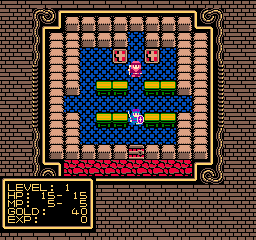
Magic Candle, The (Japan)
0 20 20
Magic Candle, The (Japan) is a classic NES role-playing game that combines exploration, storytelling, and character management within a pixelated fantasy setting. As an early example of console RPGs, it highlights strategic choices and resource management, standing out with its simple yet engaging gameplay loop. The game focuses on party-building and adventure, providing a taste of what early console RPGs were like.
Magic Candle, The: Gameplay Overview
The main gameplay involves guiding a group of characters through a fantasy world full of towns, dungeons, and wilderness areas. Players move through these locations using menu commands, deciding on actions like moving, fighting, and using items. Its turn-based combat system requires careful planning, balancing attacks, defenses, and magic to beat enemies. Managing resources like health, magic points, and equipment is crucial as difficulty increases.
Progress depends on completing quests, fighting monsters, and gathering better gear. Characters gain experience, level up, and unlock new abilities. The mechanics encourage planning ahead, with players needing to carefully manage supplies like potions and magic items. The game doesn’t have real-time action; instead, it relies on menus, keeping focus on strategic thinking rather than reflexes. This approach makes it accessible without sacrificing depth for those familiar with traditional RPGs.
Modes, Levels and Progression
The story and environments follow a mostly linear path, but there’s enough variety to stay interested. Visiting towns offers new quests, NPCs, and shops, while dungeons test your puzzle-solving and combat skills. The difficulty gradually increases, prompting players to adapt strategies and improve gear and skills to go further.
The game’s depth comes from exploring different locations, each with its own challenges and story elements. It doesn’t have branching storylines or multiple endings, but it offers replayability. Trying different party setups or strategies can change how you approach the same areas. The game can take several hours, especially if you explore thoroughly and complete optional quests.
Winning Strategies
Having a balanced party helps you survive tough battles.
- Manage your resources carefully; save magic points and healing items for critical moments.
- Explore every corner to find hidden items and gain experience, making future fights easier.
- Upgrade equipment whenever possible to improve your party’s stats and combat skills.
- Use magic wisely, saving powerful spells for boss fights or hard enemies.
- Pay attention to enemy weaknesses and resistances to gain an advantage in combat.
Patience and planning are key, especially in dungeons where enemies can drain your health and magic quickly.
Common Questions About Magic Candle, The
How does the difficulty change as I go along?
The game gets harder with tougher enemies and more complex puzzles, requiring careful resource and strategy management as you progress.
Are there different modes or difficulty levels?
No, it’s a single experience with a steady difficulty curve typical of NES RPGs, encouraging careful exploration and planning.
How much replay value does it offer?
While the story is mostly linear, experimenting with different party setups and strategies, as well as exploring optional areas, gives it replayability. Players can find better gear and experience through exploration.
Playing Magic Candle, The on this site gives quick access to a classic NES role-playing adventure that emphasizes strategy, exploration, and managing resources. It’s a good example of early console RPG design, offering a straightforward yet rewarding experience for fans of vintage games.
Related games: you can also try King of Kings, The (USA) (Unl) (v1.2) and Klax (Japan), or browse all other games in the NES category.
How to Play Magic Candle, The (Japan)?
Guide your party through towns and dungeons, battling enemies, managing resources, and completing quests to progress in the story and improve your characters.
Game Controls
Arrow keys move characters; Enter confirms actions; other keys are used for menu navigation and selecting options.
You may be interested in:
-
![Zombie Hunter (Japan) [En by KingMike v1.01]](https://www.playf2p.com/wp-content/uploads/zombie-hunter-japan-en-by-kingmike-v1-01-200x120.png) NES
♥ 2
Zombie Hunter (Japan) [En by KingMike v1.01]
NES
♥ 2
Zombie Hunter (Japan) [En by KingMike v1.01] -
 NES
♥ 1
Zombie Hunter (Japan)
NES
♥ 1
Zombie Hunter (Japan) -
 NES
♥ 1
Zoids Mokushiroku (Japan)
NES
♥ 1
Zoids Mokushiroku (Japan) -
 NES
♥ 2
Zoids 2 – Zenebas no Gyakushuu (Japan)
NES
♥ 2
Zoids 2 – Zenebas no Gyakushuu (Japan) -
 NES
♥ 1
Zoids – Chuuou Tairiku no Tatakai (Japan)
NES
♥ 1
Zoids – Chuuou Tairiku no Tatakai (Japan) -
 NES
♥ 11
Zippy Race (Japan)
NES
♥ 11
Zippy Race (Japan) -
 NES
♥ 1
Zhen Ben Xi You Ji (Asia) (Unl)
NES
♥ 1
Zhen Ben Xi You Ji (Asia) (Unl) -
 NES
♥ 1
Zenbei!! Pro Basket (Japan)
NES
♥ 1
Zenbei!! Pro Basket (Japan)
Comments (0)
No comments yet. Be the first to comment!