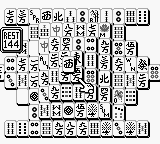
Shanghai (USA)
0 1 0
Shanghai (USA) is a puzzle and strategy game that has kept players engaged for years. It’s a tile-matching game similar to mahjong solitaire, where the goal is to clear tiles by matching pairs according to specific rules. Its simple gameplay, combined with increasing challenges, makes it a popular choice for those looking to test their thinking, whether on a Game Boy or in a browser that mimics it. The game emphasizes logical thinking and pattern recognition, making it accessible to newcomers but still offering a challenge for seasoned puzzle fans.
Shanghai: Gameplay Overview
The main idea is to find and match pairs of tiles arranged in complex, overlapping patterns. These formations can resemble intricate mazes or symmetrical designs, requiring players to carefully examine the layout before making matches. To match tiles, they need to be free — meaning they aren’t blocked by other tiles on their sides and at least one side is open. When a pair is matched, those tiles are removed, opening up new options for matching as the layout becomes less crowded.
The game continues until all tiles are cleared or no moves remain. As the structure shrinks, more pairs become available, which calls for strategic planning to avoid trapping tiles. The difficulty increases with more complicated arrangements, which can be randomized or preset depending on the game mode or level. The controls are simple, using directional buttons and selection, so players can concentrate entirely on matching strategies without distraction.
Modes, Levels and Progression
While mainly a single-session game, Shanghai offers various layouts and difficulty levels to keep things interesting. Each new level introduces more complex tile arrangements, often with larger grids and more overlapping tiles. The early levels tend to be easier, giving players a chance to get comfortable with the mechanics before tackling tougher challenges. As you move forward, time limits or move restrictions might come into play, adding a bit of pressure to think more carefully.
Some versions include scoring based on how many moves or how quickly a layout is completed. Trying to beat your best scores or solve randomly generated puzzles keeps the game fresh. The steady increase in difficulty makes it satisfying to improve over time or work through more complex patterns in multiple sessions.
Winning Strategies
Getting through Shanghai successfully involves careful observation and strategic matching. Here are some tips:
- Look for tiles that are completely free before making a match; blocking tiles can cut off important options.
- Focus on matching tiles that will open up the most new matches afterward, keeping your options open.
- Try to clear the outer edges and corners early to prevent them from becoming dead ends later on.
- Pay attention to tiles hidden beneath others; plan matches that reveal more accessible tiles underneath.
- If you’re stuck, revisit previous matches to see if different pairings might open up better options.
- Be mindful of your moves and time if playing under constraints to avoid rushing into mistakes.
Common Questions About Shanghai
How does difficulty change as I progress?
Beginning with simple layouts focused on basic matching, the game gradually introduces more complex arrangements with overlapping tiles and bigger grids. As you move forward, puzzles become more demanding, requiring better planning and strategy.
Are there different game modes or variations?
Many versions feature multiple layouts with varying complexity, and some include timed modes or scoring challenges. The different tile arrangements help keep the game interesting, encouraging repeated tries to improve your time or score.
How much replay value does Shanghai offer on this platform?
With randomly generated puzzles and scoring options, players can come back many times to beat previous records or face new challenges. Its reliance on pattern recognition rather than luck helps it stay engaging over the long haul, whether for casual gaming or more serious puzzle solving.
Playing Shanghai here offers a simple way to enjoy a classic puzzle, no downloads needed. Its straightforward mechanics and growing difficulty keep it interesting, whether you want to beat your best score or simply pass the time with a mental challenge. It’s a timeless game that combines strategy and pattern recognition within the familiar format of a Game Boy-style puzzle.
Related games: you can also try RoboCop vs. The Terminator (USA) and Dungeon Land (Japan), or browse all other games in the Game Boy category.
How to Play Shanghai (USA)?
Match and remove pairs of free tiles to clear the board before no moves remain. Carefully examine overlapping tiles and plan your moves to avoid trapping tiles as the layout shrinks.
Game Controls
Arrow keys move the cursor; Enter selects tiles; space or another key confirms matches.





Comments (0)
No comments yet. Be the first to comment!