SimCity (Germany)
0 2 0
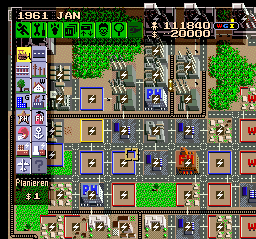
SimCity (Germany) is a classic SNES game that captures the essence of strategy and simulation from the 16-bit era. As one of the most influential city-building titles, it challenges players to design, develop, and oversee their own urban spaces within the limits of resources and planning. This SNES game offers a straightforward yet layered experience that rewards careful decision-making and thinking ahead, all on the hardware of the Super Nintendo Entertainment System.
What makes SimCity stand out is its focus on managing a city rather than fighting or exploring. You take on the role of a mayor, balancing residential, commercial, and industrial zones while keeping the city’s infrastructure and budget in check. The gameplay involves laying out zones, managing traffic, providing utilities like power and water, and responding to emergencies that arise as the city develops. The core loop revolves around placing zones and infrastructure thoughtfully to grow the city and keep citizens satisfied, which in turn brings in revenue for further growth. The simple interface hides a layer of complexity, as each decision influences the overall health of the city over time.
SimCity: Gameplay Overview
The game is built on a grid where you assign areas for different types of development. Residential zones draw in people looking for homes, commercial zones bring in businesses, and industrial zones support manufacturing. Where you place these zones impacts traffic, pollution, and the availability of utilities. Connecting zones with roads and ensuring electricity and water supply are crucial. As the city gets larger, managing traffic and finances becomes more challenging. The game encourages trying different layouts and resource strategies, rewarding planning and foresight.
Handling disasters like fires or power outages adds another layer to the game, requiring quick responses to prevent damage and keep citizens happy. The interface is simple, allowing you to switch views—such as zoning, utilities, or traffic—to troubleshoot issues. While the mechanics are easy to grasp, the challenge lies in optimizing growth and avoiding problems like overexpansion or utility shortages. The city evolves in real-time based on your choices, creating a dynamic environment that calls for careful planning and adapting on the fly.
Modes, Levels and Progression
SimCity offers an open-ended experience without fixed levels or end goals. You can start small and expand your city gradually, facing new challenges as it becomes bigger and more complex. The game’s depth comes from managing interconnected systems, with no set progression path—each playthrough can turn out differently based on your decisions. There are no predefined scenarios; instead, the game encourages experimenting with different layouts and strategies. Success is measured by how well the city functions and how much it develops over time.
Its simplicity and lack of time limits make it accessible for players of all ages. Mastering the underlying systems takes time, especially as the city grows more complicated. Since there are no levels or stages, you can play as short or as long as you like. This flexibility encourages trying out different approaches and keeps the game interesting over multiple sessions. No two cities need to be the same, which adds to its replay value.
Winning Strategies
Great city-building starts with careful planning and managing your resources. A good approach is to start small, balancing residential, commercial, and industrial zones. Connecting zones with roads early on helps prevent traffic problems later. Keeping utilities ahead of growth is also key—power or water shortages can slow down progress quickly. Pay attention to citizen happiness and address issues like pollution or congestion before they become bigger problems. Playing around with different layouts can help you find efficient setups that save space and cut costs.
- Begin with a small area and expand step by step to keep infrastructure manageable.
- Place roads and utilities thoughtfully to reduce future maintenance and traffic jams.
- Balance industrial zones to prevent pollution from driving residents away.
- Respond swiftly to emergencies like fires or outages to avoid worsening issues.
- Use the zoning grid wisely, leaving room for future growth or upgrades.
- Watch your budget and avoid overspending on unnecessary projects.
Common Questions About SimCity
How does the difficulty change as the city grows?
As your city expands, managing traffic, utilities, and citizen satisfaction gets trickier. Larger cities bring new challenges such as congestion and pollution, which need more careful planning, but the core mechanics stay the same.
Are there different modes or scenarios to try?
This version of SimCity doesn’t include preset scenarios or modes. Instead, it’s about starting with a blank plot and shaping your city as you go. The focus is on continuous development driven by your choices rather than completing specific missions.
What about replay value?
Since there are no fixed endings or success conditions, each city you build feels unique. Trying out different layouts, zoning, and expansion ideas keeps the game fresh and interesting, whether you play casually or spend hours planning.
The straightforward mechanics and open-ended design make SimCity a lasting favorite for fans of city-building and simulation games. Playing it in your browser keeps its charm alive, inviting new players and nostalgic fans to create their ideal cityscape.
Related games: you can also try Ken Griffey Jr. Presents Major League Baseball (USA) and Inspector Gadget (USA), or browse all other games in the SNES category.
How to Play SimCity (Germany)?
Design and expand your city by zoning areas, building roads, and managing utilities while balancing resources and responding to emergencies to keep citizens happy and grow your urban space.
Game Controls
Arrow keys move the cursor; other keys select tools and confirm actions.







Comments (0)
No comments yet. Be the first to comment!