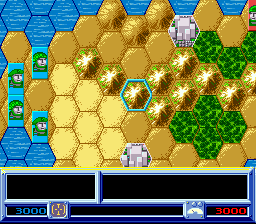
Super Conflict – The Mideast (Europe)
0 1 0
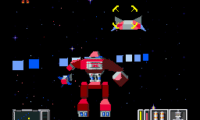
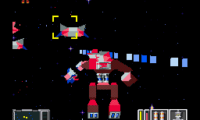
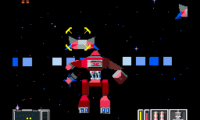
Super Conflict – The Mideast (Europe) is a classic SNES strategy game that combines military tactics with a focus on regional conflict, set against the backdrop of the Middle East. As a product of the SNES era, it offers straightforward gameplay rooted in turn-based combat, with an emphasis on positioning and resource management. Its design reflects the era’s typical approach to strategy, blending accessible mechanics with enough depth to keep players engaged over multiple sessions.
In this game, players command various units across a strategic map, engaging in battles that unfold in a turn-based format. The core mechanic involves moving units tactically to outflank enemies, capture key locations, and manage supply lines. Combat is resolved through a combination of positioning and attack choices, with each unit type having strengths and weaknesses. The game encourages careful planning and foresight, as each move can influence the outcome of the conflict. Its interface is designed to be intuitive, with clear icons and menus that allow players to focus on tactical decision-making rather than complex controls.
Super Conflict – The Mideast: Gameplay Overview
This classic SNES game emphasizes strategic thinking over quick reflexes. Players take turns moving units across a grid-based map, with the goal of defeating enemy forces and controlling strategic points. The game features a variety of unit types, each with distinct movement ranges and attack capabilities, encouraging players to adapt their tactics to different situations. Combat is resolved by selecting attack options during your turn, considering terrain advantages and unit strengths to maximize effectiveness. The pacing balances cautious maneuvering with aggressive strikes, rewarding foresight and adaptability.
The interface simplifies complex military operations into manageable decisions, with visual cues indicating unit status, terrain effects, and enemy positions. Given its era, the graphics are functional but clear, helping players quickly recognize battlefield elements. The core loop involves deploying units, engaging in combat, and securing territory. Victory can come through strategic dominance or territorial control. The game promotes thoughtful turns, making each move meaningful and adding to the challenge of managing multiple units and objectives at once.
Modes, Levels and Progression
Super Conflict – The Mideast offers a fixed set of scenarios that simulate different regional conflicts, each with its own map layout and enemy setups. It doesn’t have multiple difficulty levels, but the challenge ramps up as enemies become more aggressive and strategic in later stages. Progress depends on completing these scenarios, which often grow more complex and require refined tactics. Without branching storylines, the replay value comes from mastering different scenarios and adjusting strategies for each one.
The level design encourages replayability through varied map layouts and enemy behaviors, prompting players to experiment with different unit mixes and tactics. Each scenario offers a contained challenge that tests strategic thinking, making it suitable for quick sessions or longer playthroughs. Since it’s playable in the browser, players can revisit scenarios to improve their performance or try out different approaches, keeping the game interesting beyond the first playthrough.
Winning Strategies
Success depends on good positioning and resource management. Securing strategic points early on can give you a strong defensive position.
- Use terrain such as high ground and forests to your advantage; they can provide defensive bonuses.
- Balance offensive pushes with reinforcements; avoid overextending your units.
- Focus on taking out key enemy units to weaken their offensive options.
- Keep supply lines in check to prevent units from becoming vulnerable due to overreach.
- Watch enemy movements and try to predict their next actions based on what they’ve done before.
Common Questions About Super Conflict – The Mideast
How does difficulty progress in the game?
The challenge grows as enemy AI becomes more aggressive and strategic, especially in later scenarios. Since there are no difficulty settings, getting comfortable with early levels helps when facing tougher opponents.
Are there different modes or levels to choose from?
Super Conflict offers a set of predefined scenarios rather than separate modes. Each one features a unique map and objectives, with increasing complexity that encourages replay to improve results.
How long does a typical game last?
Depending on skill and familiarity, a session might last from 15 to 45 minutes. Each scenario is designed to be manageable within a single sitting, suitable for quick or longer sessions.
Playing Super Conflict – The Mideast on this site provides a browser-based experience of a classic SNES strategy game, letting players enjoy its tactical depth without any downloads or installations. Its straightforward mechanics and scenario-based structure offer a fair challenge that rewards careful planning. Whether revisiting familiar scenarios or trying new tactics, it remains a solid example of early strategy design on the SNES platform.
Related games: you can also try J.League Excite Stage '96 (Japan) (Rev A) and Romancing SaGa 3 (Japan) [En by Mana Sword v0.30], or browse all other games in the SNES category.
How to Play Super Conflict – The Mideast (Europe)?
Move units across the map to outflank enemies, capture key points, and manage resources. Take turns planning attacks and positioning to control territory and defeat opponents.
Game Controls
Arrow keys move units; Enter or space confirms actions; other keys select options and menus.
Comments (0)
No comments yet. Be the first to comment!